

Whoa! I watched a DeFi swap go sideways the other day. My instinct said somethin’ smelled off with the gas and approvals. I thought it was a UI glitch, honestly — weird. After tracing the call data and simulation traces I realized the wallet had simulated an approval differently than the dApp expected, which confused everything and left the user staring at a failed transaction without a clear next step.
Seriously? Simulations are supposed to catch that before you hit confirm. They give a safety net and a chance to rehearse transactions. On one hand dApp teams build complex contract interactions for composability, though actually the user’s wallet still has to represent those interactions faithfully or you get these mismatch errors that feel impossible. Initially I thought client-side gas estimation was the culprit, but after replaying the transaction with a local node and instrumented tracing it was clear the problem lived in the wallet’s intent interpretation layer.
Hmm… Wallets are the UX layer of trust. They are the last human interface before funds move. When that interface misinterprets a call or hides an approval chain, users pay in money and confidence. Okay, so check this out—transaction simulation is more than a checkbox; it’s a translator between dApps and on-chain reality, and if the translator lies you lose context, permissions, or worse, funds.
Whoa! I used to shrug off tiny UX differences as cosmetic. That changed fast after a composability failure cascaded across three protocols and a multisig, which was messy. My first impression was “bad coding”, but then I watched how the wallet aggregated intents, and the pattern became clear: intent aggregation without clear user prompts is a red flag. I’m biased, but I think wallets that simulate step-by-step and show low-level previews (yes, even raw calldata sometimes) actually protect users more than pretty gas meters.
Seriously? You should demand better previews. A good wallet will show what each approval actually allows, not just token and amount. This part bugs me: many wallets still say “approve” with no context, which is very very dangerous for novices. Here’s the thing. you need a wallet that refuses to abstract away important security signals even when dApps ask for convenience.
Whoa! When a wallet offers sandboxed simulations it changes how you approach approvals. Simulations that run against forked mainnet state and show event traces reveal reentrancy paths and unexpected calls. On the technical side those sims require deterministic RPCs and access to decoded ABIs, but on the human side they need concise, actionable explanations. I’ll be honest — most people won’t read bytecode, so the UI has to translate risk into plain language without being patronizing.
Seriously? Integration matters as much as simulation fidelity. dApps that implement standard intent formats and sign typed data (like EIP-712 patterns) enable better human-readable prompts. Yet adoption is uneven and dev docs are inconsistent, which frustrates me. On one hand standards exist, though on the other hand many teams still craft custom flows, so wallets must be adaptable and defensive in their parsing strategies. Actually, wait—let me rephrase that: wallets should treat every nonstandard flow as potentially risky and surface that risk visibly.
Whoa! Security features like transaction signing whitelists and scoped approvals change outcomes. Allow allowances that expire or are limited to a single spend, and you’re cutting down attack surface. I learned this from watching a scam siphon tokens via a never-expiring allowance — a rookie mistake that cost thousands. (Oh, and by the way…) hardware-backed signing plus clear recovery guidance makes a difference when things get ugly.
How to pick a wallet that actually helps you avoid costly mistakes
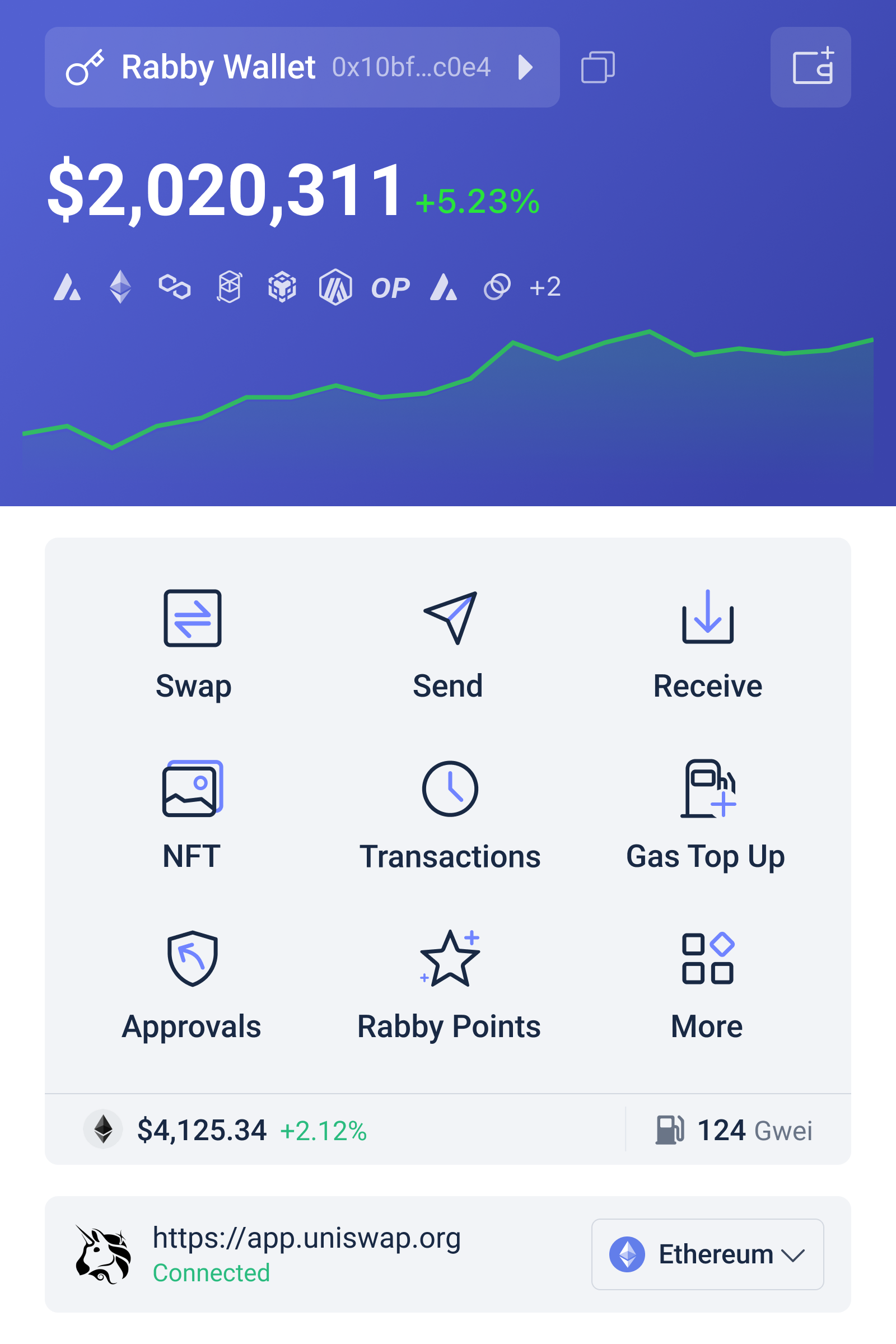
Seriously? Start with wallets that prioritize simulation and intent clarity, and test them with edge cases you care about like permit flows and meta-transactions. I recommend trying a wallet that integrates deep transaction simulation and clear permission management — for me that was rabby wallet because it shows per-action previews and groups approvals logically. Check how it handles multisigs, Layer 2s, and chained swaps, and see whether it explains failed simulations in plain English rather than burying the logs. My instinct said somethin’ simple would do, but the nuance is huge; test with real transactions on testnets to feel the difference.
Whoa! User workflows change based on wallet affordances. If the wallet provides guardrails, you develop safer habits. For example, a wallet that highlights unusually large allowances makes you pause, whereas one-click approvals encourage careless behavior. I’m not 100% sure everyone will use the guardrails, but those who do avoid many common exploits and social-engineering traps.
Seriously? Developers need to treat wallet UX as part of protocol design. Protocols should emit structured intent schemas, and wallets should refuse to guess meaninglessly. When standards align, security improves and user confidence rises. On the flip side when standards diverge, wallets must provide transparent fallback explanations or deny ambiguous flows until the user understands the tradeoffs.
Whoa! There are tradeoffs — friction versus safety. Too many prompts and people click through; too few prompts and they lose guardrails. Balancing that requires analytics, iterative design, and honest user testing, not just security theater or checkbox compliance. Personally I prefer slightly more friction if it prevents irreversible mistakes, though I get why UX teams push back (conversion pressure is real, especially in a bear market).
FAQ
Q: How does transaction simulation actually prevent loss?
A: Simulations replay proposed transactions against current chain state (often on a fork) to expose failed calls, unexpected token movements, reentrancy, and approval cascades; a wallet that surfaces those results in an understandable way gives you the chance to stop, adjust gas/nonce/target, or decline entirely.
Q: Aren’t simulations slow or resource-intensive?
A: They can be, but modern wallets and infrastructure providers use cached forked states and deterministic RPC endpoints to make sims fast enough for UX; there’s a tradeoff, but speed has improved a lot and the security payoff is worth a small delay.